


Tracking work time becomes difficult once tasks are spread across multiple projects, devices, or locations. A time tracker app helps individuals and teams record hours accurately, understand how time is spent, and keep work organized without relying on manual logs or spreadsheets.
Many people start with a free time tracker app to see how well an app can track time in daily work. This guide explains how time tracking apps work, what you can realistically expect from a free plan, and how to choose the right app to track time as your needs grow.
Prefer to watch? This five minute version covers the same ground: what changed in free plans this year and which app fits your setup.
What is a time tracker app and how does it work
A time tracker app records how long you spend on tasks, projects, or clients, and turns that record into something you can review later. Instead of guessing where the week went or rebuilding it from memory on Friday, you get an accurate log of the hours as they happened.
Under the hood, most apps work the same way. You start a timer when work begins, or you add the hours manually afterwards, and each entry is tied to a task, project, or client. That link is what makes the data useful. Once time is attached to real work, the app can show you where the hours go, compare what you planned against what actually happened, and roll everything up into daily, weekly, or per-project totals.
Where apps differ is depth. A personal timer stops at “you spent 6 hours today.” A team-oriented time tracking app adds shared projects, roles and permissions, approvals, billing rates, and reporting, so the same hours can answer questions about payroll, client invoices, and project cost. Knowing which end of that range you need is most of the decision. Not sure which end you’re on? Explore common time tracking use cases.
How to track time using an app
Most apps give you a few ways to record time, and the right one depends on how you work.
- Start and stop timer. A built-in stopwatch you trigger when a task starts and stop when it ends. Best for focused work, and it produces the most accurate log because nothing is reconstructed after the fact.
- Manual entry. You add hours once a task is done. This is how most people handle interrupted days or time logged retroactively, and entries can usually be edited, categorized, and reassigned later.
- Calendar-style blocks. You lay time out visually across the week and drag blocks to adjust. Useful when your day is already built around meetings and scheduled work.
- Automatic capture. A browser extension or background tracker records activity with little manual input, which helps people who forget to start a timer.
For mobile and remote work, an app that tracks time usually syncs across devices, so you can start on a phone and finish on a desktop. A few also support offline tracking, storing entries locally and syncing them once you are back online, which matters if you work anywhere connectivity is unreliable. If you work mostly from iOS, see our picks for the best iPhone time tracking app.
When a free time tracker app is enough, and when it is not
A free time tracker app is a sensible starting point for an individual or a small team that just needs to record hours. Most free plans cover the basics well: timers, manual entries, and daily or weekly totals. For personal productivity or lightweight tracking, that is often all you need, and there is no reason to pay.
The limits show up once the time data has a job to do. Free plans tend to cap the number of users or projects, hold back reporting, and leave out approvals, exports, billing, and integrations. The moment hours feed payroll, a client invoice, or a project budget, those gaps start to cost you more than a subscription would.
A useful test: if you only need to know how time was spent, a free app is usually enough. If you need to prove it, bill for it, or control a budget against it, you have outgrown the free tier. Picking a tool whose paid plan you would actually be happy to grow into saves you from moving your whole history to a new app six months from now.
How we reviewed these time tracking apps
To build this list, we focused on how each app performs in everyday use rather than on feature checklists alone. We looked at how easy it is to track time using an app, how quickly a new user can start tracking, and whether the app works reliably across desktop and mobile.
We also paid close attention to what is actually included in each free plan, checking limits such as user caps, project caps, reporting access, and data exports. Since many teams begin with a free time tracking app before upgrading, we considered how well each one holds up as real work scenarios grow.
The best free time tracking apps in 2026
The table below compares what each tool can do directly in its mobile or desktop app. It focuses on the tracking experience, not on the full product feature set.
| App | How time is tracked | Mobile app usage | Automation | Offline tracking | Location features |
|---|---|---|---|---|---|
| actiTIME | Timers, manual entries, calendar-based tracking | Track time and tasks, review reports | Browser extension automates time capture | Supported (mobile app) | Not available |
| OfficeTimer | One-click timers and manual entries | Log hours and attendance on the go | No automation | Not supported | Not available |
| Jibble | Timers, kiosk clock-ins, GPS-based entries | Full-featured mobile time clock | Screenshots and automated timesheets | Supported | GPS clock-ins |
| todo.vu | Manual entries in a visual weekly calendar | Log time and review billing | Calendar sync only | Not supported | Not available |
| Paymo | Timers, manual entries, drag-and-drop blocks | Track time and manage tasks | Background activity tracking | Not supported | Not available |
| My Hours | Manual task-based time entries | Add time and review project progress | No automation | Not supported | Not available |
| Pendulums | Manual time entries | Track time via mobile app | No automation | Supported | Not available |
| MeisterTask | Task-based timers | Track task time from mobile | No automation | Not supported | Not available |
| busybusy | Automatic clock-ins tied to job sites | Mobile-first for field work | GPS-based automatic tracking | Not supported | GPS job-site tracking |
| Connecteam | Clock-in and clock-out, kiosk entries | Mobile-first attendance tracking | Kiosk-based automation | Not supported | GPS clock-ins |
1. actiTIME
Key features:
- Overtime tracking
- Budget tracking
- Performance reports
- Payroll data
- Leave tracking
- Billing & invoicing
- Mobile apps
actiTIME is a time tracker app that lets users track work hours from a phone or browser, which makes it practical for teams that rely on mobile, remote, or flexible work setups.
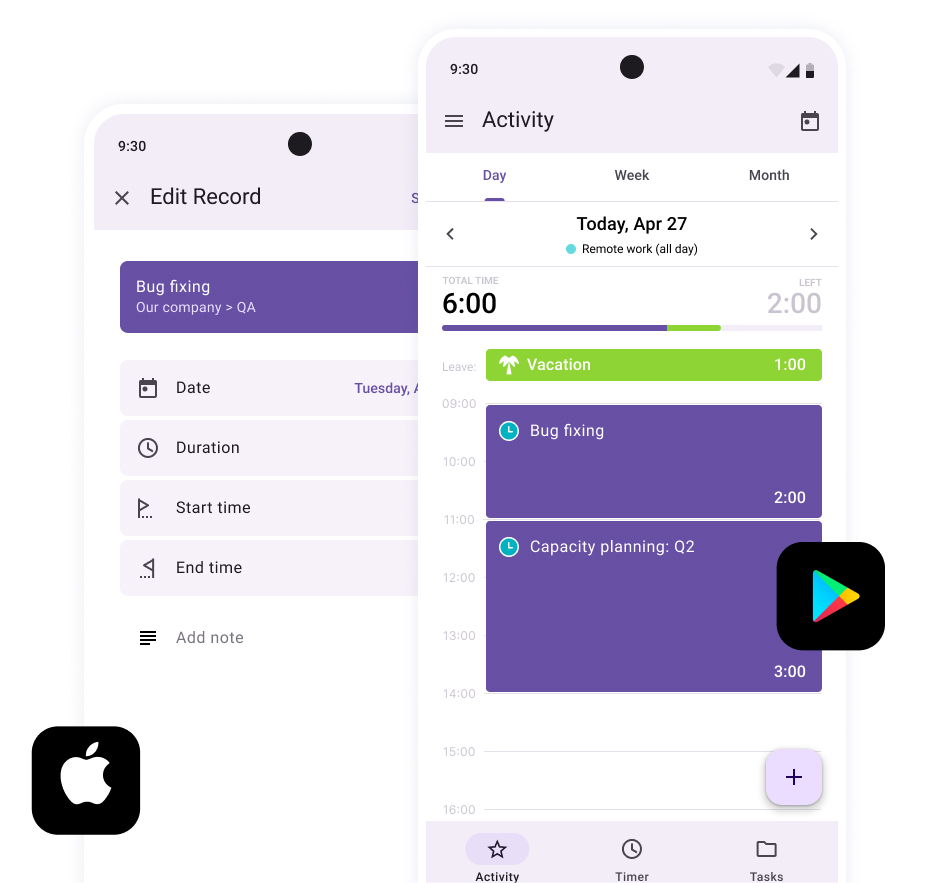
The actiTIME mobile app includes a built-in stopwatch, manual time entry, task-based tracking, progress indicators, and access to visual reports. Users can log time on the go, review their tracked hours, and monitor task progress without switching devices. The mobile app also works offline, so hours recorded at a site with no signal sync once the connection is back. This makes it suitable for distributed teams, field employees, and anyone who tracks time outside a traditional office.
Besides standard weekly timesheets where employees log working time manually, actiTIME features a calendar view that lets them track the start and end times of tasks.
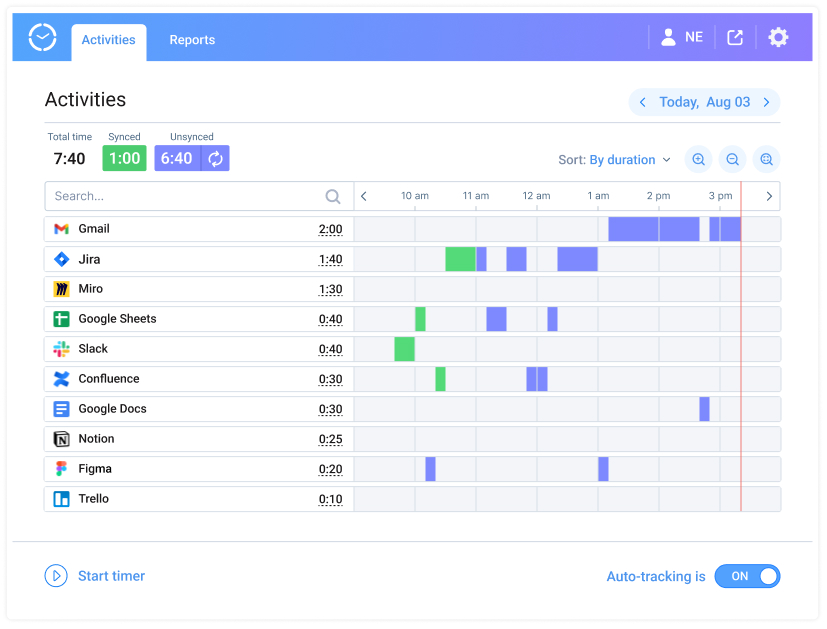
In addition to the mobile app, actiTIME offers a browser extension that tracks online activity based on user-defined rules. It can be used on its own as a lightweight time tracking app or synced with an actiTIME account to automate time capture and reduce manual input.
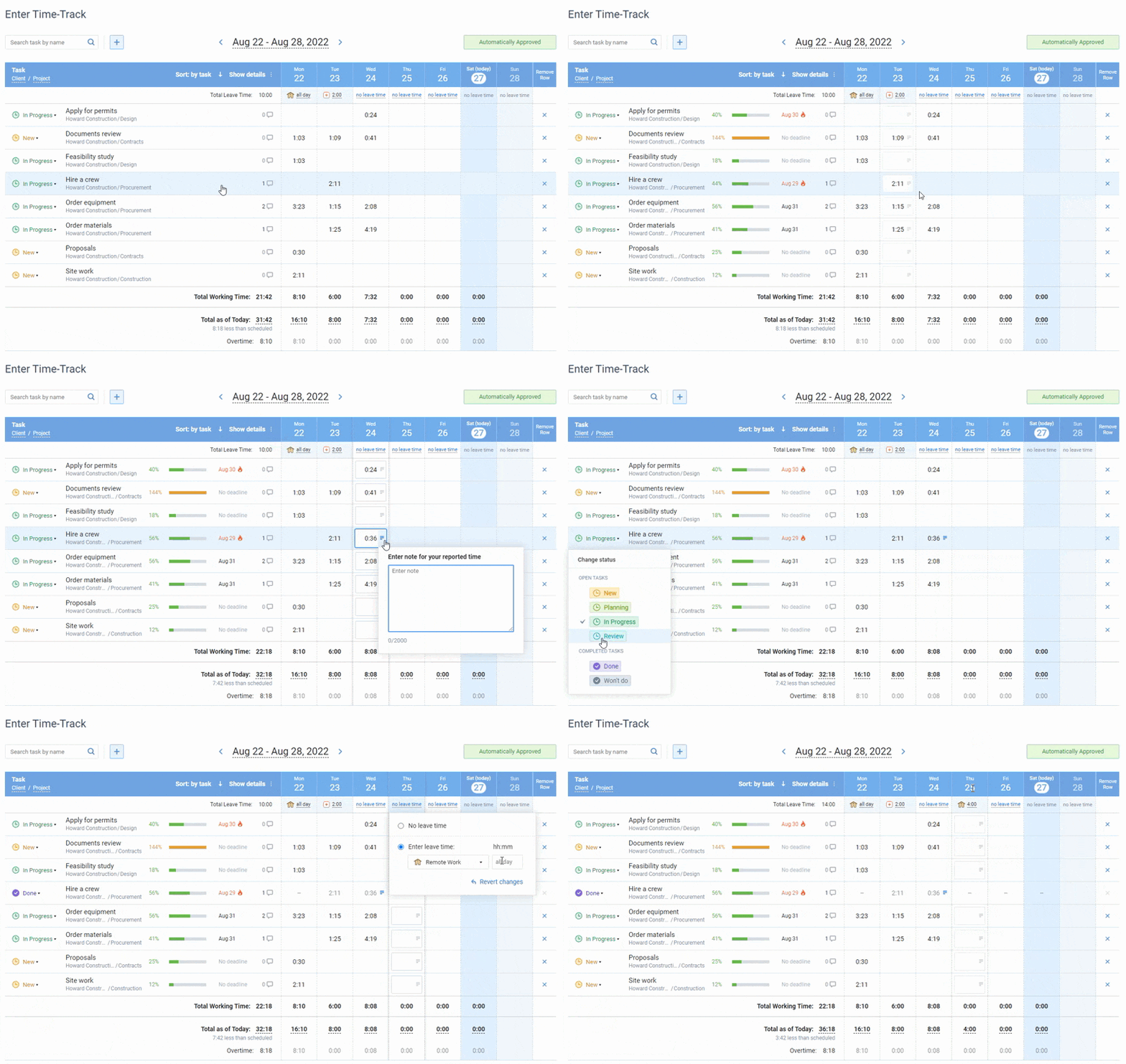
The free version of actiTIME covers up to 3 users and includes the core of what most people need to track time: weekly timesheets, the calendar view with start and end times, task management, the mobile app, and CSV report export.
The features that make actiTIME more than a timer sit on the paid plans and the 30-day trial. That includes overtime tracking, task priorities, live budget tracking, billable rates and invoicing, timesheet approval, leave balances, the synced Chrome extension, and integrations through the API, Zapier, and QuickBooks. If any of those matter to you, run the trial rather than judging actiTIME on the free version alone, since the free version leaves most of them out.
Best for: teams that want a free time tracking app with mobile and browser-based tracking, and room to grow into reporting and billing.
actiTIME pros:
- The free version includes solid core tracking, including the calendar view and the mobile app.
- A flexible feature set fits teams with different workflows and scales into cost and billing.
actiTIME cons:
- Billable time tracking, budgets, and integrations are not part of the free version.
2. OfficeTimer
Key features:
- Billable time tracking
- Attendance tracking
- Invoicing
- One-click timers
- Mobile app
OfficeTimer is designed for teams that want a simple way to track work hours without complex setup or employee monitoring. The app focuses on manual control and transparency rather than automation or activity surveillance.
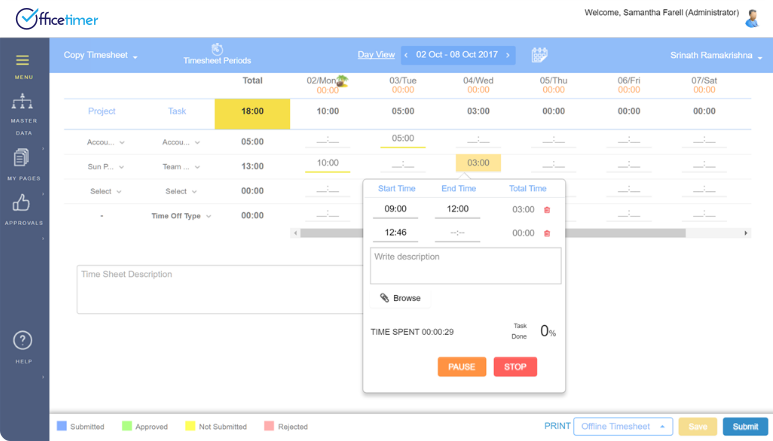
Using OfficeTimer, users can track time with one-click timers or add time manually from a desktop or mobile device. The mobile app lets team members record time while working remotely or in the field, which is useful for distributed teams. The interface stays minimal, with no background tracking or automatic activity capture, so employees are not tracked beyond the time they choose to log.
Beyond basic time tracking, OfficeTimer supports attendance tracking, leave management, and the separation of billable and non billable work. Tracked time can be turned into invoices in a few clicks, which helps small teams handle client billing without exporting data to another tool.
The free plan is available for unlimited users, which is uncommon among time tracking apps. It covers core tracking and invoicing, but it does not offer integrations or automated tracking, which may limit teams with more complex workflows.
Best for: teams that need a simple, non intrusive time tracking app with unlimited users.
OfficeTimer pros:
- Genuinely simple, with no unnecessary features.
- The free version suits large teams.
OfficeTimer cons:
- No integration options.
- No fully automated time tracking.
3. Jibble
Key features:
- Timer
- Offline mode
- GPS and kiosk clock-ins
- Mobile apps
Jibble is built with mobile and location-based work in mind. Its mobile app works as a full-featured time clock, which makes it useful for remote teams and employees who work outside a traditional office.
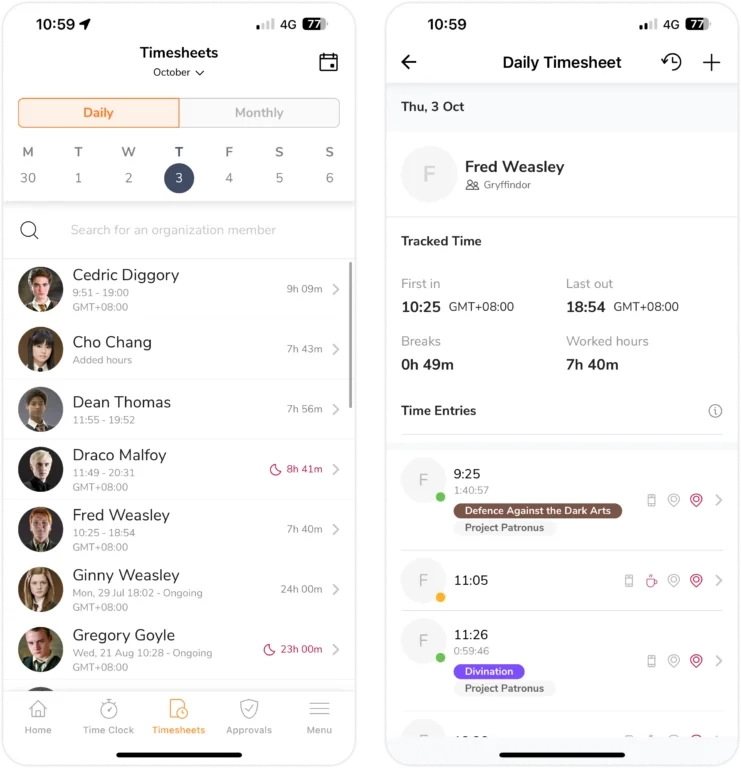
The Jibble mobile app lets users clock in and out from their phone, track time with one-click timers, and log hours based on location using GPS. Teams can also use a kiosk mode where several employees clock in on a shared device, which is common on construction sites, in delivery services, and in on-site operations. To prevent time fraud, the app supports identity checks through facial recognition and PIN codes.
Jibble also includes an offline mode, so employees can clock in without an internet connection and the entries sync once they are back online. Automated timesheets, screenshot capture, and real-time syncing round out a free plan that is more generous than most, covering unlimited users.
Best for: mobile, remote, and field teams that need GPS-based time tracking and secure clock-ins.
Jibble pros:
- A comprehensive set of time tracking features on the free plan.
- High security standards and offline support.
Jibble cons:
- Leave accruals and leave balance reports are not part of the free plan.
4. todo.vu
Key features:
- Time tracking
- Task management
- Reports and billing
- Mobile apps
todo.vu is a time tracking app built into a broader work and client management platform. Its time tracking is designed to support billing rather than real-time or automated capture.
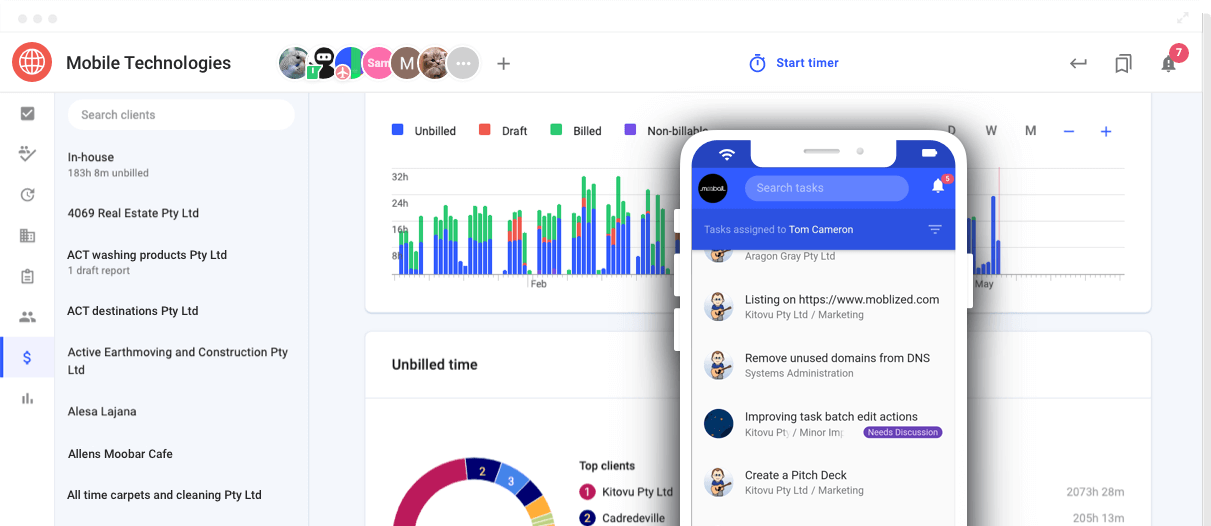
In todo.vu, time is logged through a weekly calendar interface where users add hours as visual blocks. Entries can be dragged and dropped, marked as billable or non billable, and adjusted by editing task durations or hourly rates, which suits people who prefer visual scheduling over timers. There is no stopwatch or automated tracking, though the app can sync with external calendars so scheduled events reflect into the time log.
Time tracking is not the main focus. The platform emphasizes client and work management, including contact tracking, interaction history, checklists, and basic CRM. The free version is restricted to a single user, which makes it best for freelancers and independent consultants.
Best for: freelancers who bill clients and prefer calendar-based time tracking.
todo.vu pros:
- Strong for client billing.
- Extra tools like checklists and basic CRM set it apart.
todo.vu cons:
- The free version is for a single user only.
- No fully automated time tracking.
5. Paymo
Key features:
- Timers
- Invoicing
- Task lists
- Reports
- Mobile app
Paymo puts strong emphasis on tracking time through multiple interfaces and turning tracked hours into invoices. The experience is flexible and suits users who switch between desktop and mobile through the day.
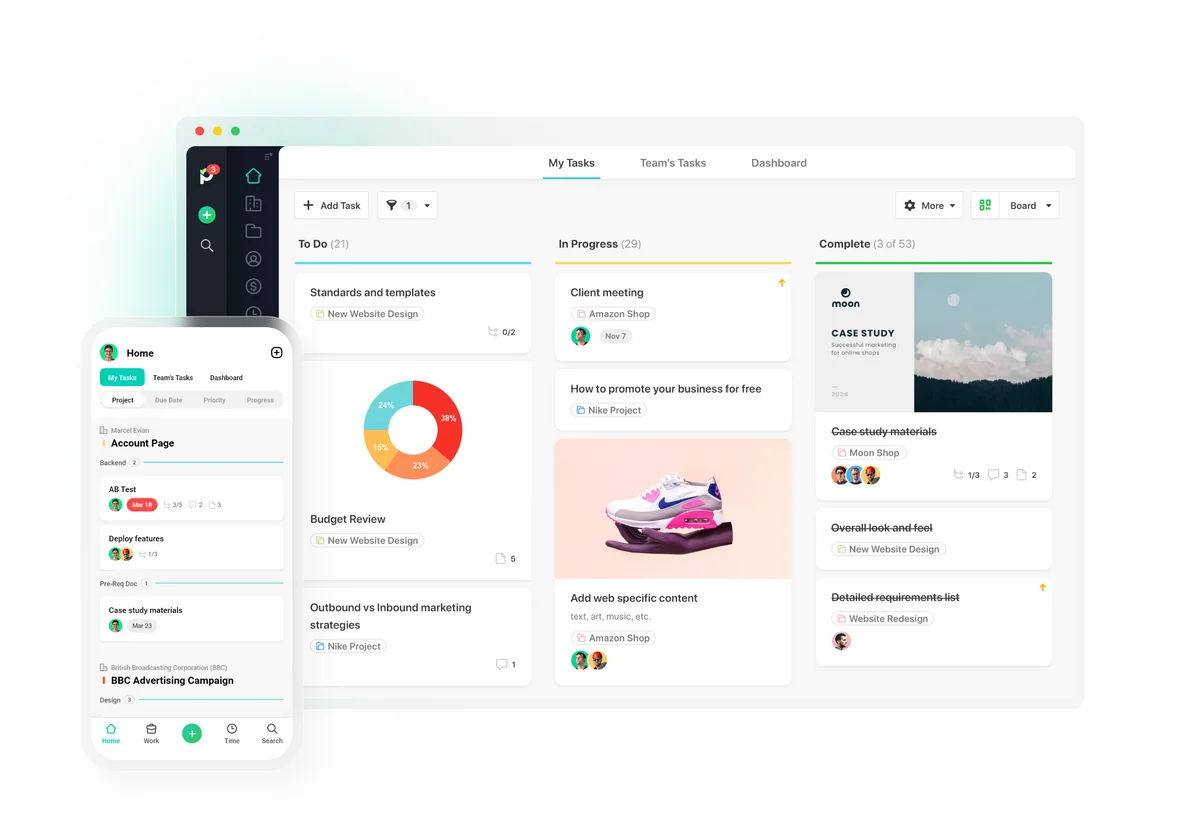
Paymo’s mobile app lets users track time with timers, review logged hours, and tie entries to tasks or projects on the move. Time can be recorded with a stopwatch, added manually, or logged through drag-and-drop blocks. It also offers an automated tracker that runs in the background and captures activity without constant input, which helps people who forget to start timers.
Tracked time converts directly into invoices, which makes Paymo convenient for freelancers and client-focused teams, and its visual reports show how time is distributed across projects. The free version includes core tracking, but most integrations and advanced planning tools such as Gantt charts sit on paid plans.
Best for: freelancers and small teams that track time mainly for client billing.
Paymo pros:
- Strong for client billing and invoicing.
- The free version has a variety of time tracking features.
Paymo cons:
- Integrations are available only on paid tiers.
6. My Hours
Key features:
- Time tracking
- Task management
- Billing
- Mobile app
My Hours is designed for individuals and small teams that track billable time and monitor project costs. The app focuses on clear time logging and budget visibility rather than automated activity tracking.
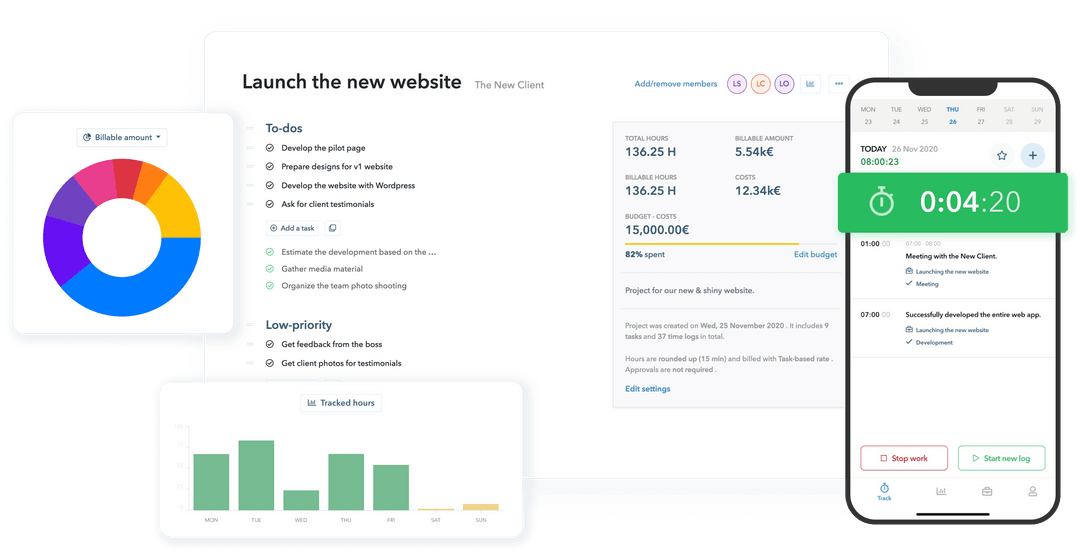
With My Hours, users can track time on tasks and projects, review logged hours, and manage entries from desktop or mobile. Users can also attach receipts and documents to specific time entries, which keeps expenses and supporting files connected to tracked time. The app supports project-based reports and budget tracking, while invoicing and approvals sit on paid plans, and integrations run through Zapier.
The free version of My Hours supports up to 5 users with unlimited projects, though its functionality is limited. Teams that need invoicing, approvals, or more advanced workflows will need to move to a paid plan.
Best for: small teams and individuals tracking billable time and project budgets.
My Hours pros:
- Strong for budget tracking.
- Intuitive interface.
My Hours cons:
- Some users report occasional bugs.
- Invoicing is only on the paid plan.
7. Pendulums
Key features:
- Time charts
- Unlimited projects
- Unlimited users
Pendulums is aimed at individuals and small teams that want unlimited time tracking without user or project limits. The app favors simplicity and flexibility over advanced automation or team management.
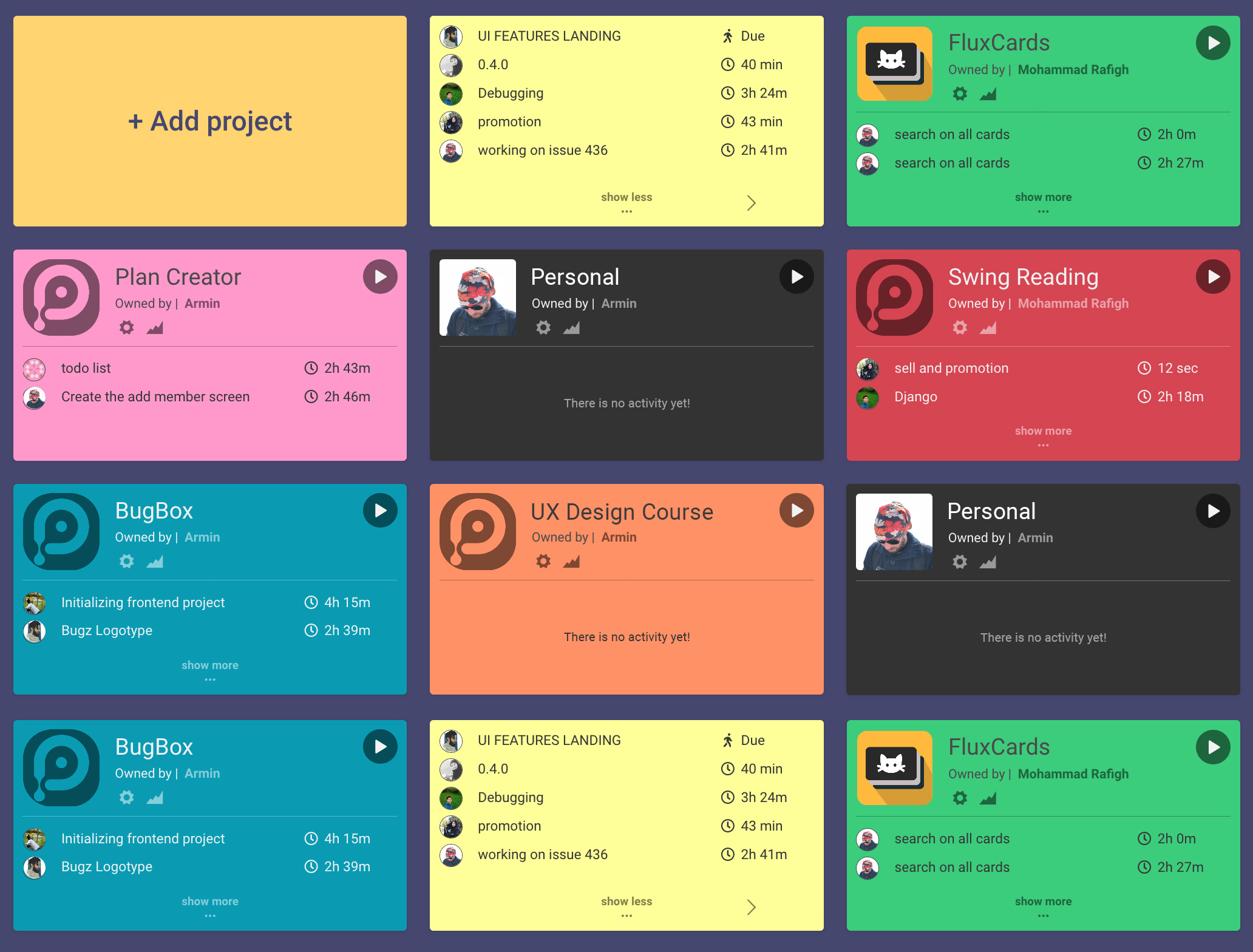
Pendulums works across a web interface, desktop apps for Windows, macOS, and Linux, and a mobile app, with entries synced across devices. It supports offline time tracking, so users can log hours without a connection and sync them later, and it provides basic charts, reports, and reminders. As an open-source app, it can be customized and self-hosted, which appeals to technical users who want control over their data, though setup takes some know-how.
Best for: individuals or small teams that want a completely free, cross-platform time tracking app.
Pendulums pros:
- Open-source and highly customizable.
- Runs on many operating systems, including Linux.
Pendulums cons:
- No customer support beyond community resources.
- Technical know-how is required to fine-tune it.
8. MeisterTask
Key features:
- Task management
- Project timeline
- Recurring tasks
- User roles and permissions
- Mobile apps
MeisterTask is built mainly for individuals and small teams who want to track time inside their task management workflow. It combines basic time tracking with visual task organization rather than working as a dedicated time tracker.
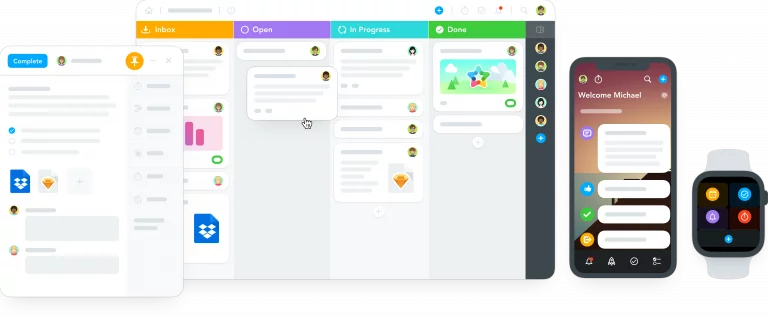
In MeisterTask, users run timers on individual tasks to measure how much time goes into specific work. Because tracking is tied to tasks, it is easy to see effort at a task level without switching tools, and the app is available on desktop and mobile. Beyond timers, it offers due dates, checklists, attachments, task relationships, and custom fields, plus reports and timeline views. It is not designed for advanced reporting, billing, or cost control.
Best for: individuals and small teams that want simple time tracking inside a task management app.
MeisterTask pros:
- Easy to use.
- Multiple access points.
MeisterTask cons:
- Some users report slow customer support.
9. busybusy
Key features:
- Progress tracking
- GPS timestamps
- Team messaging
- Scheduling
busybusy is built for teams that work in the field and need to track hours, locations, and activity in real time. The app is mobile-first and focuses on visibility and accountability rather than manual entry.
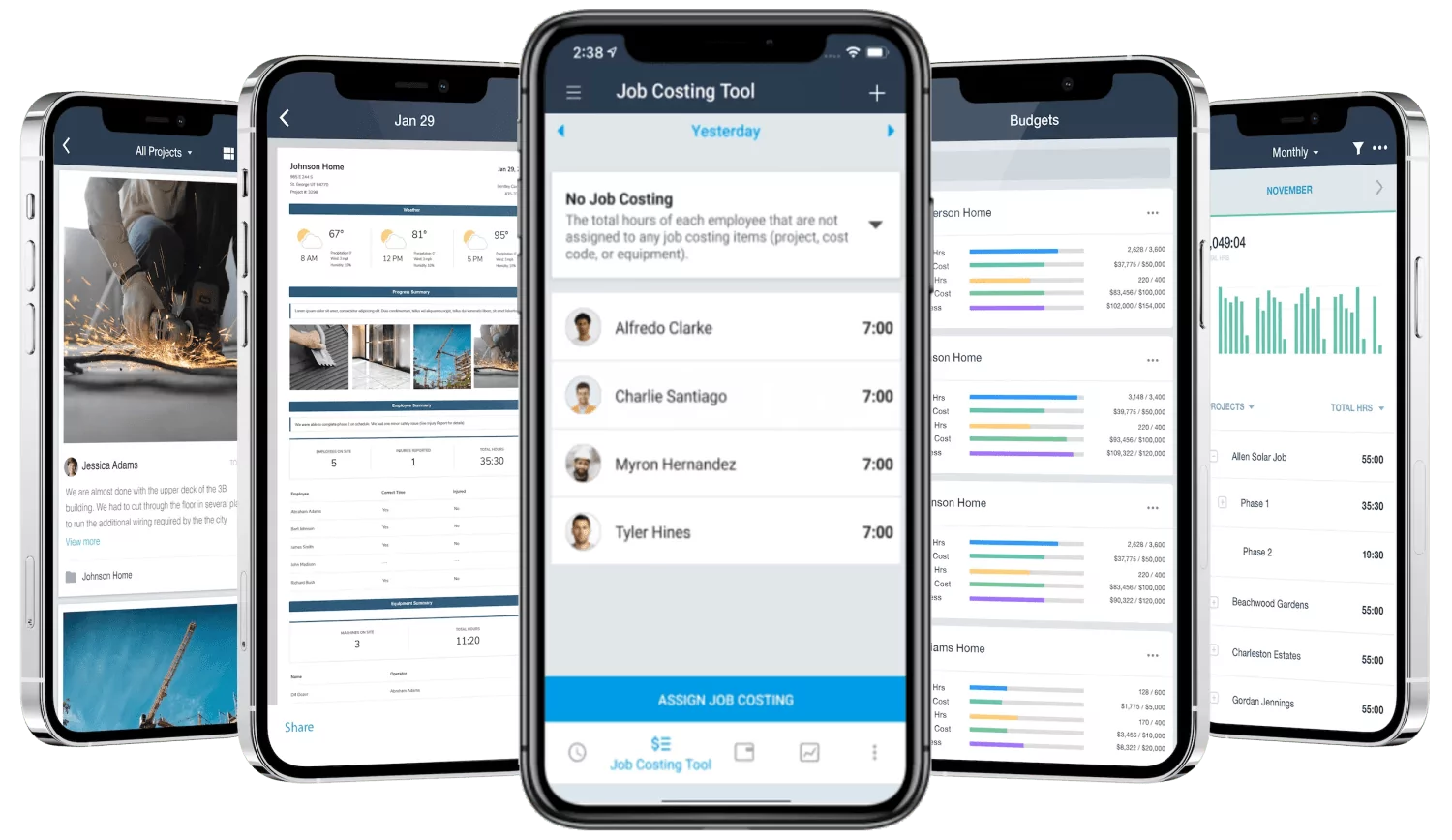
The busybusy mobile app lets employees clock in and out from their phone with GPS-based tracking, recording when and where work starts and ends. This helps teams verify attendance on job sites without traditional punch clocks. The app also includes scheduling so managers can assign shifts, and equipment tracking so teams can see what equipment is in use and where. Tracked time can feed payroll and invoicing, though the feature set is clearly tailored to field operations rather than office or client billing.
Best for: construction and field teams that need GPS-based time tracking and job site visibility.
busybusy pros:
- Detailed time tracking data.
- Extra features like equipment monitoring.
busybusy cons:
- Some features are not included in the free version.
10. Connecteam
Key features:
- Time kiosk
- Clock in and out
- Task management
- Location tracking
- Mobile apps
Connecteam is built for teams with both desk and non-desk employees. It helps organizations track work hours, locations, and attendance from a single mobile-first interface.
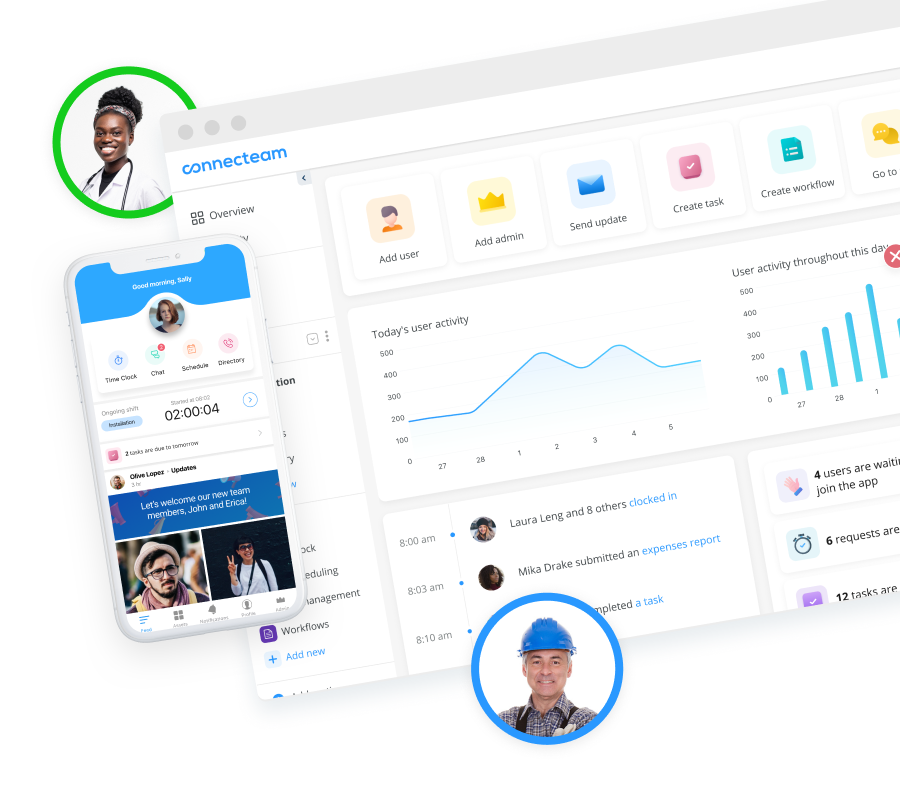
With the Connecteam mobile app, employees clock in and out from their phone while managers monitor attendance in real time. The app also supports tablet-based kiosk mode and desktop access, and time can be tracked by job, project, or client. For field teams, it adds GPS-based location tracking, late clock-in alerts, and reminders for missing hours. It also handles basic time-off tracking and workforce communication, though its time tracking leans toward attendance and shift management rather than project cost tracking.
Best for: desk and non-desk teams that need mobile time tracking with GPS and attendance controls.
Connecteam pros:
- Strong fit for small teams.
- The free version has a full feature set.
Connecteam cons:
- More focused on attendance and scheduling than on detailed time tracking. If you need deeper project tracking, check out our list of Connecteam alternatives.
Free time tracking app FAQ
What is the best free time tracking app?
It depends on what the hours are for. For a team that wants free time tracking with real reporting and budget visibility, actiTIME is a strong pick because its free plan for up to 3 users includes timesheets, the calendar view, task management, and the mobile app. For field or construction crews, Jibble and busybusy are better because they add GPS clock-ins. For a freelancer who mainly bills clients, Paymo or todo.vu fit the invoicing workflow. Match the app to the job rather than chasing the longest feature list.
Are free time tracking apps actually free?
Yes, but most free plans are a limited version of a paid product rather than the full thing. Expect caps on users or projects and missing pieces like approvals, data export, billing, and integrations. A few tools, such as OfficeTimer and Jibble, offer unlimited users on the free tier, while others limit you to one or a handful. Read what each free plan leaves out before committing, since switching apps later means moving all your history with it.
Can I track employee hours with a free app?
You can. A free time tracking app lets employees log hours from a timer or a timesheet, and managers review the totals. For a small team, that is enough to replace spreadsheets. What free plans rarely include is timesheet approval, locking, overtime rules, and payroll-ready exports, which is what you need once the hours drive pay or client billing. At that point a paid plan or a full-featured trial is worth it.
Ready to get a free time tracking app?
If you scrolled through the list but still have not made your choice, consider actiTIME. It is a free time tracker app that adjusts to the needs of different businesses and industries.
With actiTIME, you can track time in several ways, including online timesheets, a browser extension, and the mobile app. You can shape the work structure and task parameters to fit your team, handle payroll and billing data, and make it easier for everyone to record work hours.


Start with a free 30-day trial, no credit card required, and continue with the permanent free version for up to 3 users anytime.